

Index
- Why buy fabric dye online?
- Best professional fabric dyes: how to choose
- Fabric preparation and pre-washing
- How to Dye Fabrics in the Washing Machine: Quick and Even Method
- Hand dyed for total color control
- Fixative for textile colors: how to ensure durability
- Compatibility with natural and synthetic fibres
- Conclusion
Last updated: August 7, 2026
Why buy fabric dye online?
When a favorite piece fades or you no longer like the color, it's tempting to throw it away. But there's an alternative: give it a complete makeover with quality fabric dye. Buying fabric dye online offers access to a wider range of products than most local stores, with specialized colors, professional formats, and products designed for long-lasting results.
Textile sustainability isn't just a passing fad. When you choose to dye a garment instead of replacing it, you significantly extend its useful life and reduce the environmental impact of your wardrobe. This is especially important for those who own garments made from natural fibers like cotton, silk, wool, and linen, which absorb dye evenly and long-lastingly.
Aybel, a fabric dye specialist, offers a comprehensive selection of professional dyes and fixatives online, designed for both those seeking quick results in the washing machine and those who prefer the complete control of hand dyeing. L online eliminates the compromises of brick-and-mortar stores: you're not limited to the limited colors available locally; you can read the complete technical specifications and get exactly what you need.
Best professional fabric dyes: how to choose
Choosing the right dye depends on three factors: the type of fiber you're dyeing, your preferred method (machine or hand), and the desired result. Not all dyes work on all fibers, which is why many DIY attempts end in disappointment.
Reactive dyes are the most popular choice for natural fibers. They work by creating a direct chemical bond with the fiber's molecules, ensuring exceptional wash resistance. They are ideal for cotton, linen, viscose, and silk. Wash resistance is what professionals call wash fastness : the color remains vibrant even after dozens of washes.
Acid dyes are specifically designed for protein fibers like wool and silk. They require a slightly acidic solution and controlled temperatures, but the result is a deep, even color. If you have natural silk garments that have lost their luster, this is the type of dye that makes the difference.
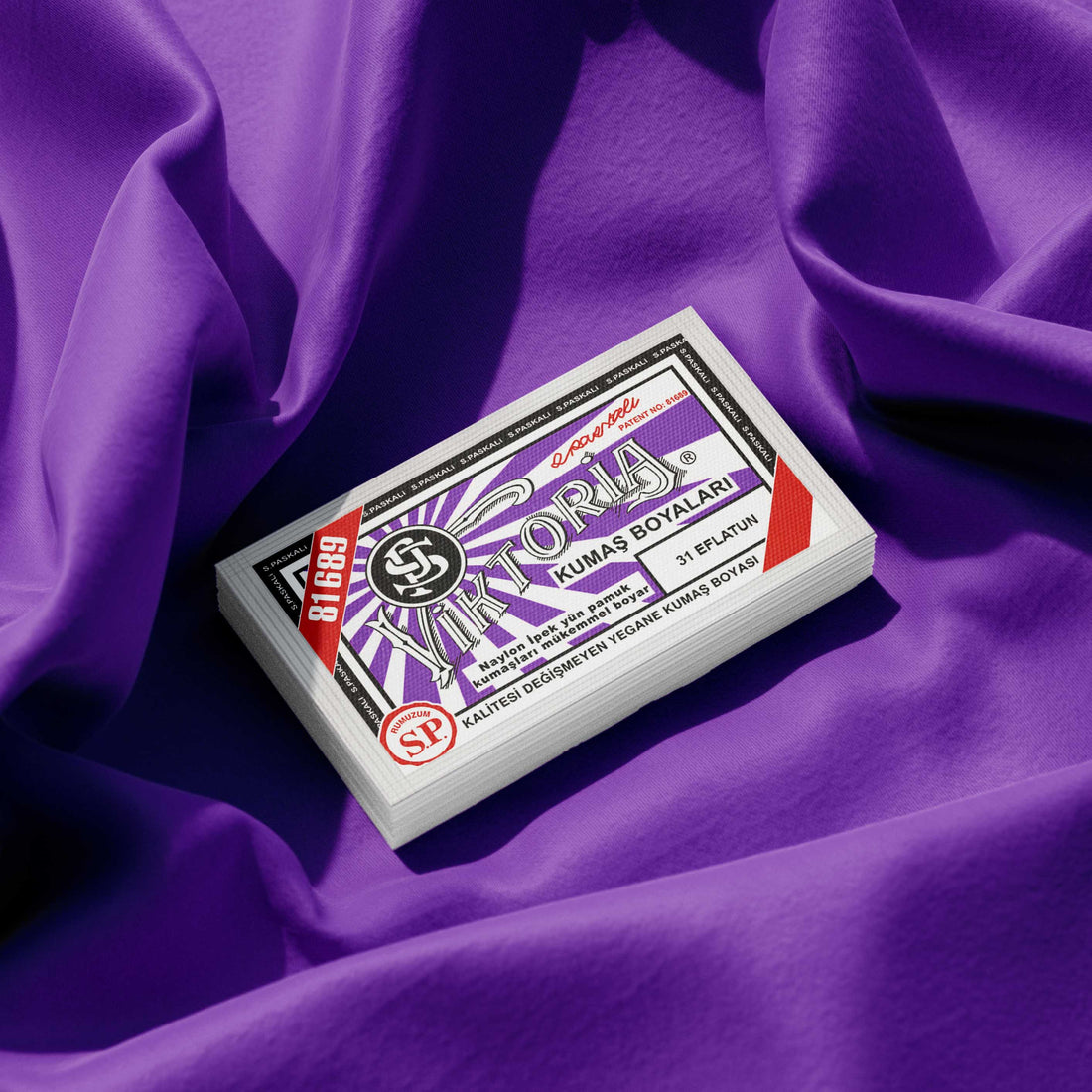
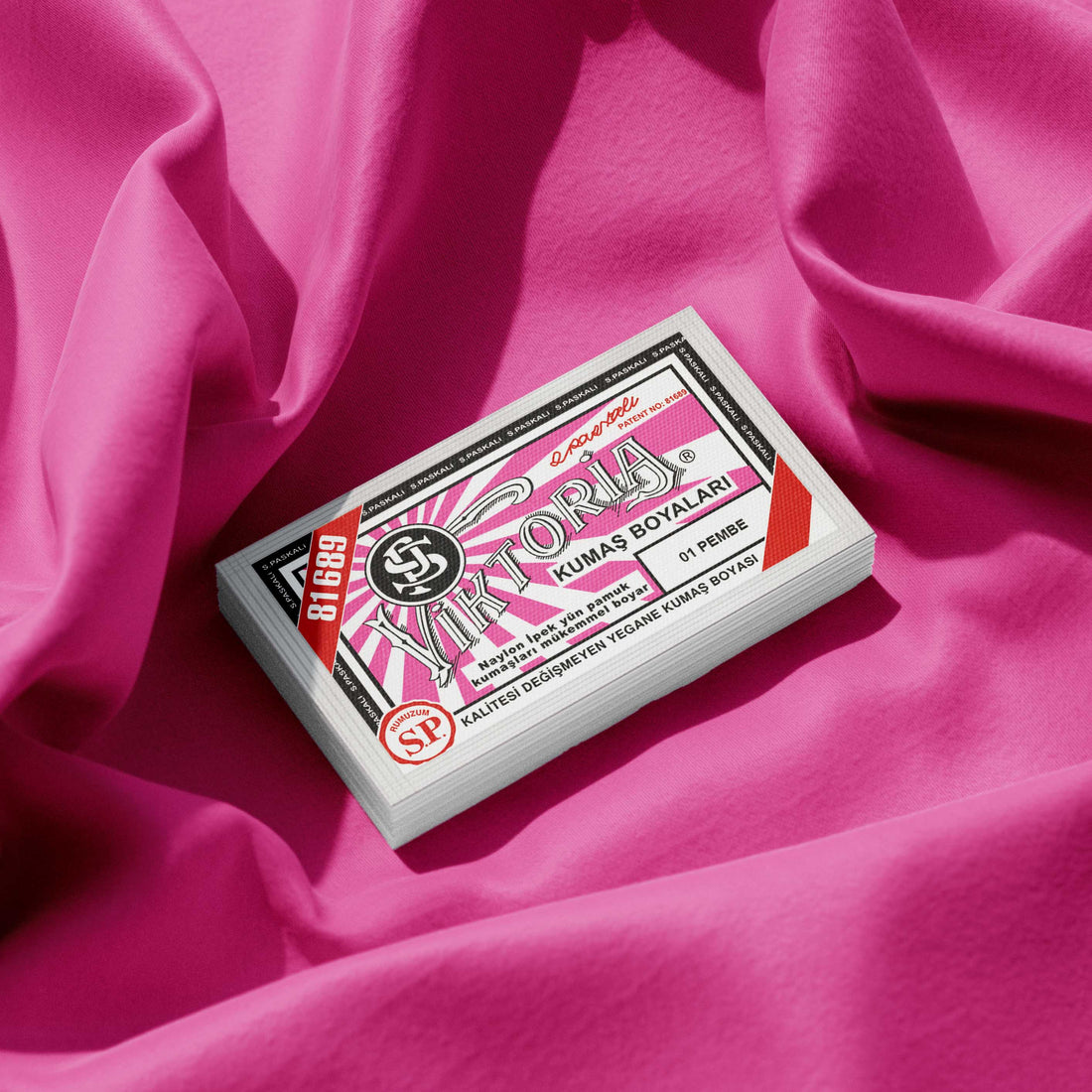
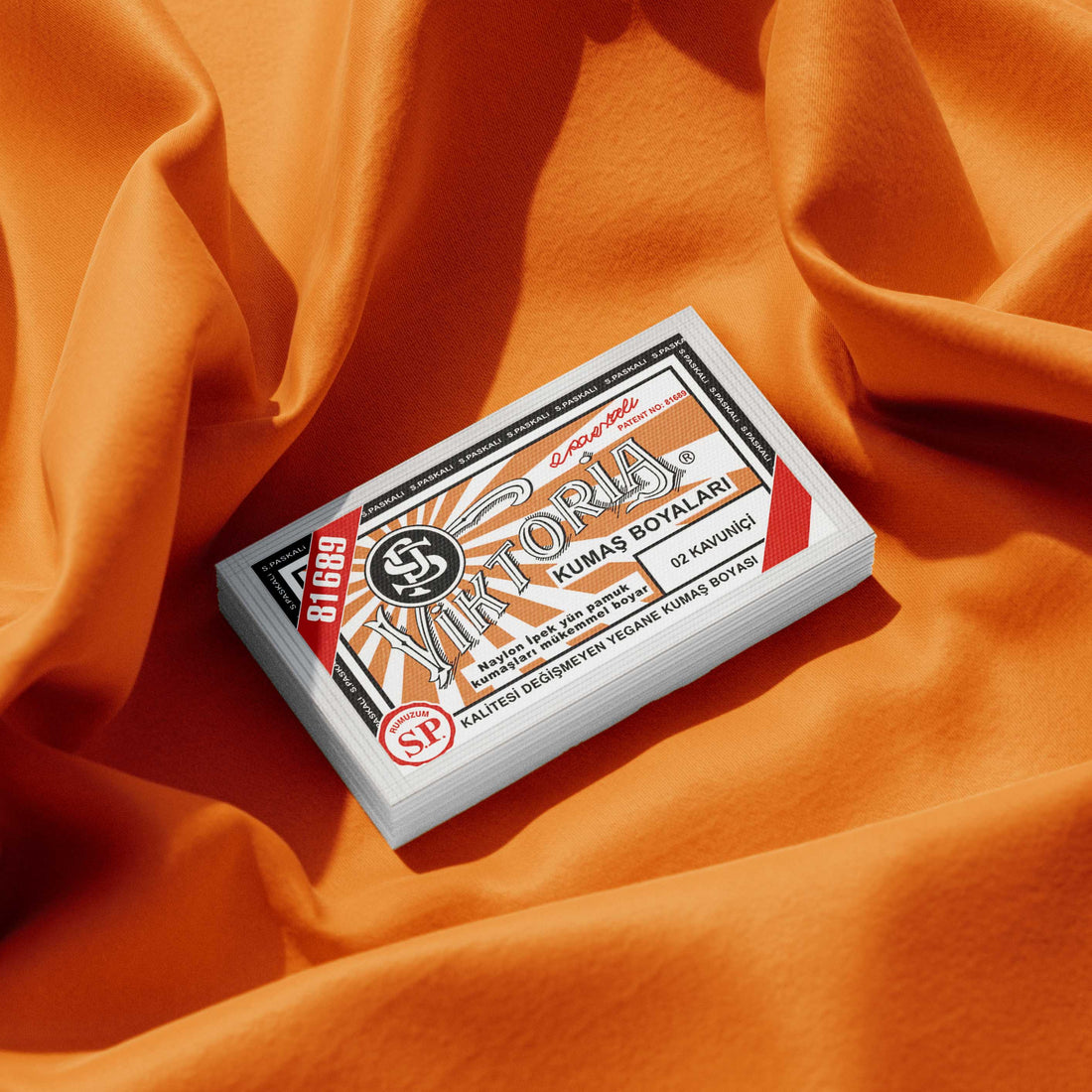
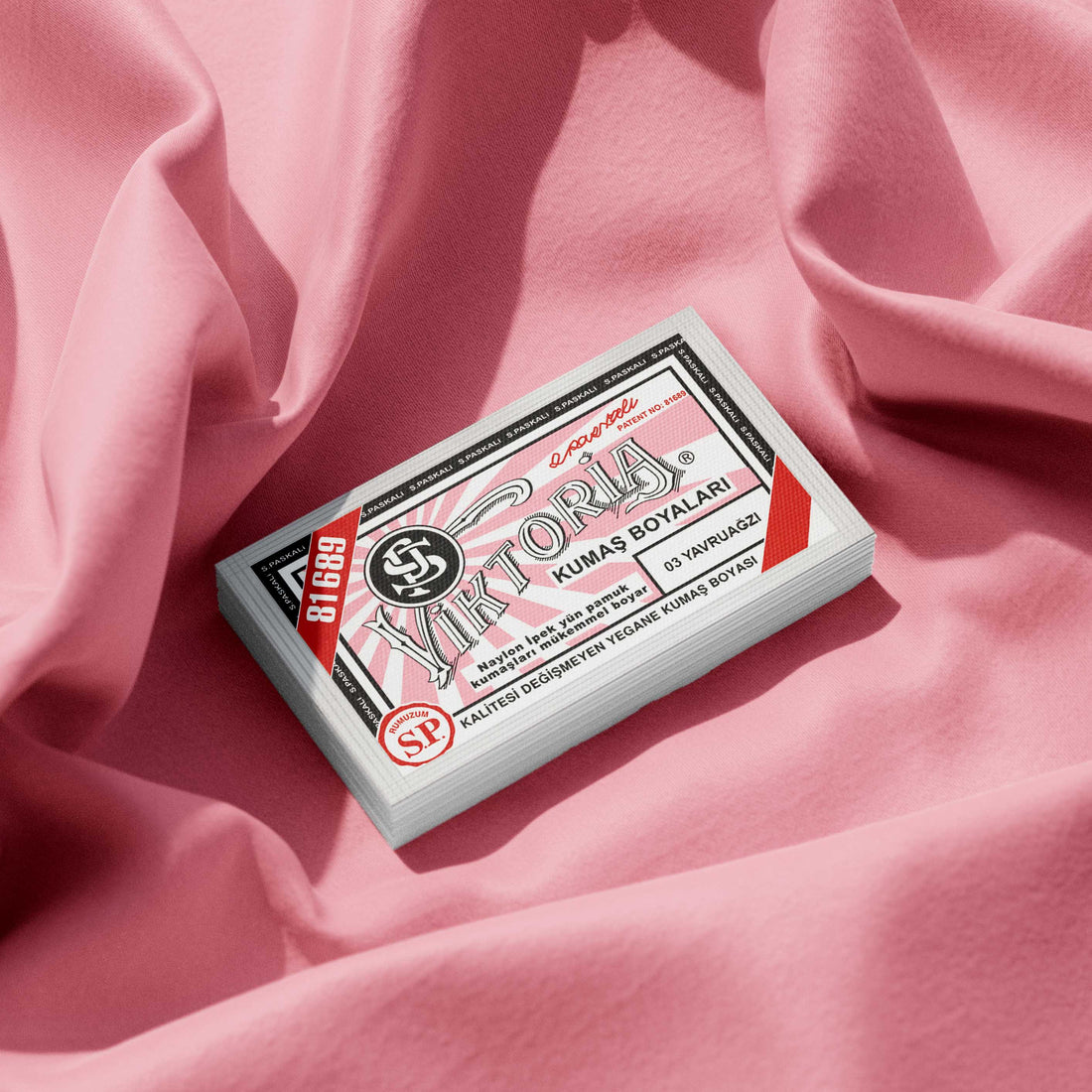
 Powdered fabric dye - large formats
For synthetic fibers like polyester and polyamide, things are more complex. Many common dyes don't adhere well to pure synthetics. Aybel offers specific solutions that also work on blended synthetic fibers , i.e., blended fabrics that combine natural and synthetic fibers. This is crucial: most modern garments are not pure natural fibers, but a blend.
Wash fastness and lightfastness (fastness to light) are technical parameters that separate professional products from amateur ones. A good dye maintains its color after 20+ wash cycles at 40°C and doesn't fade significantly with exposure to the sun. Aybel products are formulated to guarantee both of these standards.
Technical guide to textile fibers and their color absorption properties
Fabric preparation and pre-washing
Before applying any dye, the fabric must be clean and damp. This step is often overlooked, but it's essential for even coloration.
Pre-washing removes finishing residues, fabric softeners, and dirt that could interfere with color absorption. A fabric that's soiled or treated with fabric softener will tend to bleed unevenly, with lighter spots in some areas. Wash the garment in warm water with a neutral detergent, without fabric softener. If the garment is new, one or two pre-washes are essential.
After pre-washing, the fabric should remain damp but not dripping. L promotes even dye penetration and prevents streaks. Gently wring out excess water, but do not dry completely.
For natural fabrics like cotton and linen, a brief soak in warm water (30 minutes) before dyeing helps the fibers absorb the dye more evenly. This step significantly reduces the risk of uneven stains.
:::Key Points: Preparation determines 40% of the final result. A well-prepared, damp fabric will absorb the dye evenly, even with a less precise technique. A poorly prepared fabric will produce poor results, regardless of how good the dye is. :::
How to Dye Fabrics in the Washing Machine: Quick and Even Method
The washing machine method is the fastest and requires less supervision. It's ideal for those who are short on time but still want professional results.
The process is simple: dissolve the dye powder in hot water (about 60°C) and pour the solution into the washing machine's detergent drawer. Place the fabric to be dyed in the washing machine and run a 40-50 minute cycle at 40°C. The washing machine continuously moves the garment, ensuring even absorption.
Here are the exact steps:
- Prepare the solution : Dissolve the dye powder in 1-2 liters of hot water (60-70°C) in a separate bowl. Stir well until no lumps remain.
- Load the damp garment : Place the pre-washed, damp fabric into the washing machine drum.
- Pour the solution : Pour the dissolved fabric dye into the detergent drawer.
- Start the cycle : Select a 40-50 minute cycle at 40°C, without final spin.
- Rinse : After the cycle, rinse the garment in cold water until the water no longer runs.
- Dry : Hang the garment to dry naturally, away from direct sunlight.
Speed is the main advantage: the process is completed in less than an hour. The disadvantage is that you have less control over the color saturation than with hand dyeing. If you want a more intense color, you can repeat the process a second time.
Hand dyed for total color control
If you want maximum control over color saturation and final results, hand dyeing is the right choice. It takes longer (1-2 hours), but the result is a more uniform and predictable color.
You'll need a stainless steel or enameled (not aluminum) pot, a wooden spoon for stirring, and hot water. The technique is based on immersion : the fabric is immersed in a temperature-controlled dye solution for a prolonged period.
The step-by-step method:
- Fill the pot : Add hot water (about 60°C) to a large pot. The rule of thumb is to use at least 10-15 liters of water for every 500 grams of fabric.
- Dissolve the dye : Pour the dye powder into a separate bowl with a little hot water, mix well, then add to the main pot.
- Immerse the fabric : Place the damp garment in the solution, making sure it is completely submerged. Stir gently every 5-10 minutes.
- Maintain the temperature : Keep the water at 60-70°C for 40-50 minutes. If the temperature drops, gradually increase it.
- Rinse : Remove the fabric and rinse in cold water until no dye remains.
- Dry : Hang the garment to air dry.
The main advantage of hand dyeing is the control over the color depth . You can observe the garment during the process and decide whether you want a more saturated color (by extending the dyeing time) or a lighter color (by reducing the dyeing time). With a washing machine, this choice is made before you begin.
Safety Guidelines for Home Textile Dyeing
Fixative for textile colors: how to ensure durability
This is where many dyeing projects quietly fail. Even if you use the right dye and follow the process perfectly, without a fixative , the color will quickly fade in subsequent washes.
A fixative is a chemical that "locks" the dye onto the fiber, creating a more stable bond. The most common fixative is soda ash (sodium carbonate), which raises the pH of the solution and allows the reactive dyes to form permanent covalent bonds with the fiber.
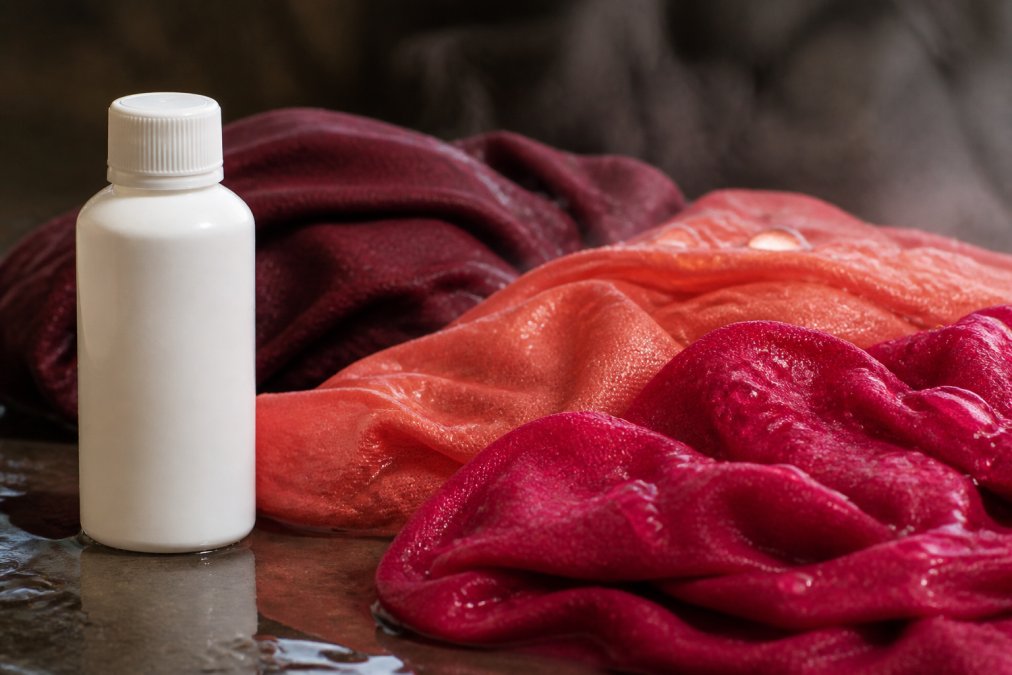
- After the initial rinse , while the fabric is still damp, immerse the garment in a fixative solution (follow the doses indicated on the package).
- Leave to act for 20-30 minutes , stirring occasionally.
- Gently squeeze excess water from the fabric or use a low-speed spin cycle.
- Dries completely.
Aybel Fiske (starting at €4.99) is a professional fixative that can be used in both the washing machine and by hand. It's formulated to ensure that colors remain vibrant even after 20+ wash cycles.

Without a fixative, the color tends to fade 30-50% in the first 5-10 washes. With a good fixative, color loss is minimal and the garment stays beautiful for years.
Compatibility with natural and synthetic fibres
Not all dyes work on all fibers. Understanding compatibility is essential to avoid waste and disappointment.
Natural fibers like cotton, linen, wool, and silk absorb dye naturally because their molecular structure has "attachment sites" for the dye. A pure cotton fabric will absorb almost all the dye dissolved in it, producing saturated, uniform colors.
Synthetic fibers like polyester, polyamide, and acrylic have a different molecular structure. Pure polyester is almost impervious to common dyes. If you try to dye a pure polyester garment with standard cotton dye, the result will be a pale, uneven color.
Most modern garments, however, are blends : a mixture of natural and synthetic fibers. A garment described as "65% cotton, 35% polyester" will absorb dye unevenly, with the cotton areas being darker and the polyester areas being lighter.
Aybel has developed specific solutions for synthetic blends that work effectively on mixed compositions. The key is choosing the right product based on the garment's label.
| Fiber type | Recommended colorant | Expected result | Note |
|---|---|---|---|
| 100% cotton | Direct dye | Saturated and uniform color | Guaranteed professional results |
| 100% Wool | Acid dye | Deep, uniform color | Requires temperature control |
| 100% silk | Acid dye | Bright, delicate color | Handle with care during the process |
| Blendi 65/35 | Blender colorant | Uniform color on both fibers | Predictable results on mixed |
| 100% Polyester | Polyester dye | Pale color, hard | Not recommended for professional results |
ISO International Standards for Colour Fastness of Textiles
Conclusion
Buying fabric dye online gives you access to professional products you won't find in local stores. The right choice depends on the fiber, your preferred method, and the desired result. With the right preparation, the right process, and a good fixative, you can transform faded or dated garments into pieces as good as new.
Aybel offers everything you need online: dyes for natural and synthetic fibers, professional fixatives like Fiske Fixing Agent, and even complete kits like Tie Dye Set 1 (€8.95) for those who want to start a creative project. For those with professional needs, large powder dye formats up to 5 kg are also available.

Start with a piece you don't particularly love, follow the steps carefully, and you'll see results that rival professional results. Textile sustainability begins with choosing to renew instead of discard.
Frequently Asked Questions
What is the difference between professional and home dyes?
Professional dyes like those from Aybel offer more stable dye molecules and higher concentrations, ensuring more saturated and long-lasting colors. Generic household products often contain less reactive pigments that fade more quickly. Professional dyes require specific fixatives and proper preparation, but they ensure consistent results and superior wash fastness even after numerous washes.
How to fix the color on fabrics after dyeing?
After dyeing, use a professional fixative like Aybel Fiske ($4.99) to lock the dye molecules into the fabric. You can apply it in the washing machine or by hand according to the instructions. The fixative significantly increases wash and light fastness, prolonging the color's vividness. Without a fixative, even high-quality dyes tend to fade more quickly with repeated washing.
Is it possible to dye synthetic fabrics with professional dyes?
It depends on the type of synthetic fiber. Aybel's reactive dyes work well on natural fibers like cotton, wool, and silk, as well as semi-synthetic fibers like viscose and bamboo. Pure polyester requires specialized dyes at higher temperatures and is not ideal for home DIY. Always check the garment's label: if it contains polyamide (nylon) or a low percentage of polyester, our dyes will produce good results.
How much does it cost to dye an entire garment compared to buying new?
Aybel liquid or powder dye costs €4.99 for individual items, plus €4.99 for the Fiske fixative. For around €10, you can revitalize a favorite piece you would otherwise have discarded. Considering the cost of a new item (€30-80+) and the environmental impact of fast fashion, dyeing is significantly more economical and sustainable. A complete tie-dye set (€8.95) allows you to personalize multiple items in a single session.
Looking to update your favorite pieces without investing in new ones? Aybel offers a complete selection of professional dyes, fixatives, and ready-to-use kits that guarantee consistent, long-lasting results. With Fiske Fixative and specific dyes for each fiber type, you can achieve vibrant colors that last dozens of washes. Find out how to get started with Aybel products and transform your wardrobe sustainably.
This article was written using GrandRanker